



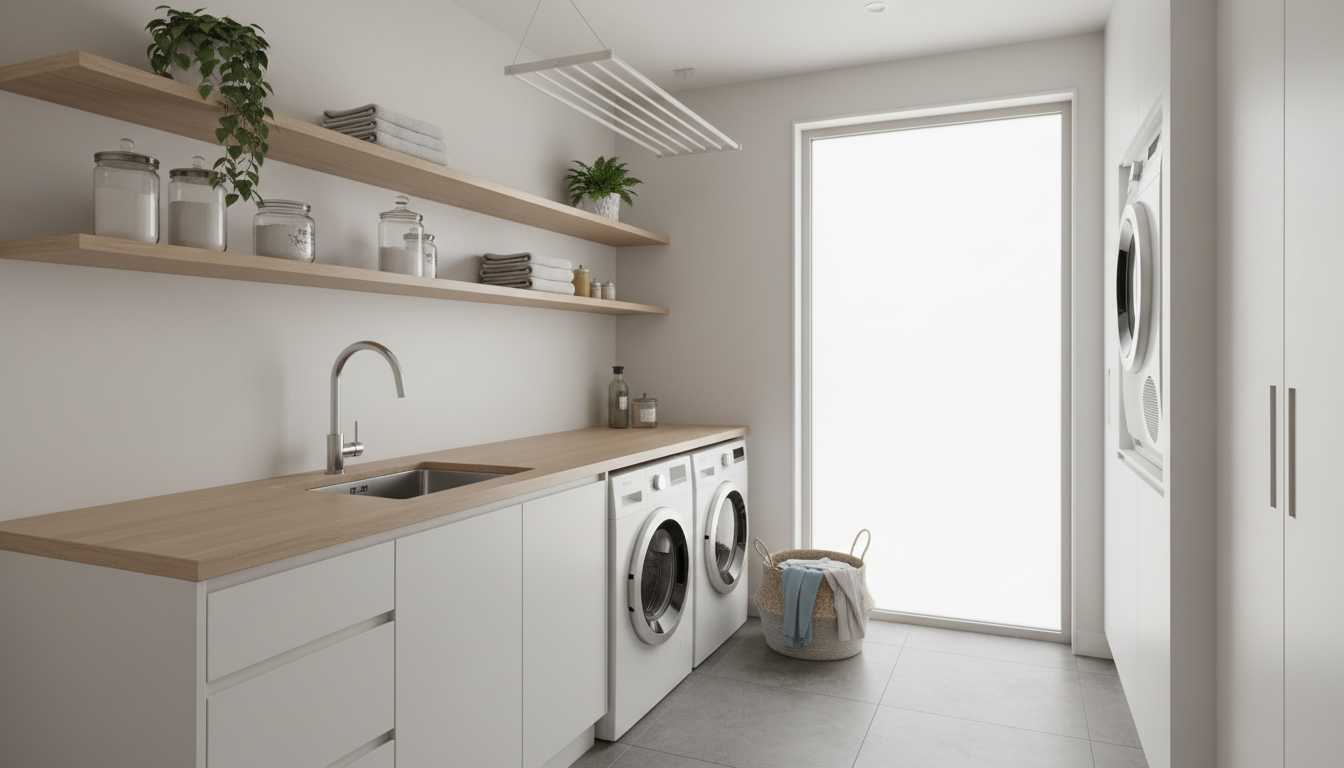
Finding the right washing machine isn’t about chasing the latest features or the biggest drum. For most Sydney households, it comes down to matching capacity and efficiency to how often you actually do laundry. Whether you’re searching for washing machines for sale in South West Sydney or comparing models online, understanding your usage pattern saves you from overpaying for capacity you’ll never use or underbuying a machine that runs constantly. This guide walks you through capacity recommendations, energy costs, and stock options at factory outlets like 2NDS Appliances, where factory seconds and carton damaged stock make premium brands accessible without sacrificing your warranty rights under Australian Consumer Law.
Most buyers focus on price or brand when shopping for washing machines, but usage frequency determines whether you’ll save money or waste it. A single person running two loads weekly doesn’t need a 10kg drum, and a family of five shouldn’t struggle with a 6kg machine that forces daily cycles. According to the Australian Bureau of Statistics (ABS) Household Expenditure Survey, washing machines are replaced on average every 10-12 years, making your initial choice a decade-long commitment to running costs and efficiency.
Capacity affects water consumption, electricity use, and cycle frequency. Energy Rating Australia reports that upgrading from a 2-star to a 4-star washing machine can save Sydney households $40-60 annually in electricity costs alone. Over ten years, that’s $400-600 in savings, which often exceeds the price difference between stock types at factory outlets. Understanding your weekly load count and typical load size lets you match drum capacity to actual demand, avoiding the false economy of buying too small or the waste of buying too large.
If you’re washing once or twice weekly, a 6kg to 7kg front loader handles everyday clothing without wasting water or energy on half-empty cycles. Singles and couples in apartments or townhouses benefit from compact models that fit tight laundry spaces while maintaining energy efficiency. Look for machines with quick wash programs (30-45 minutes) for small loads and a minimum 3.5-star energy rating to keep running costs under $50 annually based on Energy Rating Australia estimates.
Brands like Samsung and LG offer 6kg models with inverter motors that reduce vibration and noise, ideal for apartment living where laundries share walls with bedrooms. Fisher & Paykel’s compact front loaders include wool and delicate cycles that protect clothing quality over the machine’s lifespan. At this usage level, even a 3-star water rating keeps annual water costs around $30-40 based on Sydney Water rates, making total running costs approximately $80-90 per year.
Factory seconds stock in this category often includes cosmetic imperfections like minor scratches on the lid or small dents on side panels that don’t affect performance. These units retain full statutory warranty protection under Australian Consumer Law (ACL) Schedule 2 of the Competition and Consumer Act 2010 (Cth), including the guarantee of acceptable quality, making them practical choices for budget-conscious buyers who prioritise function over appearance.
Families of three to four running four to six loads weekly need 7.5kg to 9kg capacity to handle school uniforms, work clothes, and bedding without constant cycling. This usage bracket represents the majority of Sydney households, where balancing capacity with energy efficiency delivers the best long-term value. A 4-star energy rated 8kg front loader costs approximately $50-70 annually in electricity according to Energy Rating Australia, with water costs adding another $40-60 based on Sydney Water rates.
At this frequency, features like variable spin speed (1000-1400 rpm) reduce drying time, which matters if you’re using a clothes dryer during winter. Look for machines with dedicated programs for mixed loads, quick wash options for lightly soiled items, and delay start timers that let you run cycles during off-peak electricity periods if you’re on a time-of-use tariff. Electrolux and Westinghouse models in this capacity range typically include 10-15 wash programs covering everything from heavy soil to delicates.
Medium usage households benefit most from factory seconds washing machines because the price difference between factory seconds and brand new often covers a year or two of running costs. A cosmetic imperfection on the control panel bezel or a small scratch on the drum door doesn’t affect wash performance, water efficiency, or your ACL warranty rights, but it can reduce the purchase price significantly at factory outlets.
Households running seven or more loads weekly, including families with young children, tradespeople with work clothing, or anyone regularly washing bulky items like towels and bedding, require 10kg to 12kg capacity and commercial-grade durability. At this usage level, energy star ratings directly impact annual costs. Energy Rating Australia estimates a 2-star 10kg machine costs $90-110 annually in electricity, while a 4-star equivalent costs $60-75, saving $30-35 per year over a decade of use.
Heavy users should prioritise inverter compressor motors that handle frequent cycling without premature wear, stainless steel drums that resist rust and damage from heavy loads, and extended warranty coverage. Brands like LG and Samsung engineer their larger capacity models with direct drive motors that reduce mechanical failure points. For detailed performance data on one of the most popular brands in this category, see our analysis of LG washing machine performance and reliability for families running multiple loads daily.
Look for machines with auto-dosing systems that measure detergent based on load size, reducing waste and improving rinse performance. Fisher & Paykel’s larger models include steam refresh cycles that reduce the need for rewashing lightly worn items, while Electrolux front loaders offer allergen cycles that use higher temperatures to eliminate dust mites from bedding. These features add upfront cost but deliver measurable savings for heavy users through reduced detergent consumption and fewer rewash cycles.
Factory outlets stock three distinct categories, each with different pricing and condition profiles. Brand new clearance stock consists of unused, current-season models with full manufacturer warranty and original packaging, typically discounted because retailers are clearing inventory for incoming models. These units carry no cosmetic imperfections and function identically to machines sold at full retail price.
Factory seconds, also called 2NDS, are fully functional machines with minor cosmetic imperfections identified during quality control before retail distribution. Common imperfections include small scratches on exterior panels, minor dents on non-visible surfaces, or slight discolouration on control panel bezels. These defects don’t affect wash performance, water efficiency, energy ratings, or mechanical function. All factory seconds retain statutory warranty protection under Australian Consumer Law (ACL) Schedule 2 of the Competition and Consumer Act 2010 (Cth), and manufacturers typically honour their standard warranty periods on these units.
Carton damaged stock refers to machines where shipping packaging sustained damage during transport or warehousing, but the appliance inside remains unaffected or shows only superficial marks. Retailers inspect these units before sale to confirm functionality. Like factory seconds, carton damaged machines retain full ACL warranty coverage including the guarantee of acceptable quality. For detailed information on how each stock type affects your warranty rights, see our guide to warranty coverage on factory seconds appliances.
All washing machines sold in Australia must display energy and water efficiency labels under the Greenhouse and Energy Minimum Standards Act 2012 (Cth), administered by Energy Rating Australia. The energy star rating (0.5 to 6 stars) indicates annual electricity consumption, while the water rating shows litres used per wash cycle. These labels let you calculate running costs based on your actual usage frequency.
For light users running 1-3 loads weekly, a 3-star energy rating keeps annual electricity costs around $40-50. Medium usage households benefit most from 4-star models, which cost $50-70 annually for 4-6 weekly loads according to Energy Rating Australia estimates. Heavy users running 7+ loads weekly should prioritise 4.5 to 5-star ratings, where the higher upfront cost delivers measurable savings. A 5-star 10kg machine costs approximately $55-65 annually versus $90-110 for a 2-star equivalent at the same capacity and usage level.
Water efficiency matters equally in Sydney, where water costs average $2.35 per kilolitre for residential users according to Sydney Water. A 4-star water rated 8kg machine uses approximately 60-70 litres per cycle, costing $0.14-0.16 per wash. Over 250 annual cycles (roughly five loads weekly), that’s $35-40 in water costs. A 2.5-star water rated machine at the same capacity uses 85-95 litres per cycle, adding $50-55 annually. For buyers prioritising environmental impact alongside cost savings, see our guide to energy-efficient appliance choices for broader sustainability considerations.
| Usage Level | Loads Per Week | Recommended Star Rating | Annual Electricity Cost | Annual Water Cost |
|---|---|---|---|---|
| Light (Singles/Couples) | 1-3 | 3-3.5 stars | $40-50 | $25-35 |
| Medium (Small Families) | 4-6 | 4-4.5 stars | $50-70 | $40-60 |
| Heavy (Large Families) | 7+ | 4.5-5 stars | $55-75 | $55-75 |
Drum capacity, measured in kilograms of dry laundry, determines how much clothing you can wash per cycle. Manufacturers base these ratings on mixed cotton loads, so bulky items like towels and bedding reduce effective capacity. A 7kg machine handles approximately one week of clothing for a single person or three to four days for a couple, while a 10kg drum accommodates a family of four’s weekly washing in two to three loads.
Undersizing forces frequent cycling, which increases wear on mechanical components and raises total energy and water consumption despite smaller per-cycle use. Oversizing wastes resources by running half-full loads, and many machines perform poorly when underfilled because the load doesn’t distribute evenly during the spin cycle. The optimal capacity lets you run full loads that match your natural laundry rhythm without forcing daily washing or accumulating multi-day backlogs.
For Sydney households, practical capacity recommendations are 6kg for singles, 7-8kg for couples, 8-9kg for families of three to four, and 10-12kg for families of five or more or households washing bulky items like sports uniforms, work clothes, or pet bedding regularly. If you’re between sizes, choose the larger capacity if you anticipate household changes like additional children or if you frequently wash bedding and towels separately from clothing.
Australian Consumer Law (ACL) Schedule 2 of the Competition and Consumer Act 2010 (Cth) provides statutory guarantees that apply to all washing machines sold in Australia, regardless of whether they’re brand new clearance, factory seconds, or carton damaged stock. These guarantees include acceptable quality, fitness for purpose, and correspondence with description. According to the Australian Competition and Consumer Commission (ACCC), washing machines are among the top five appliances for consumer guarantee claims under Australian Consumer Law, making it essential to understand your rights before purchase.
The guarantee of acceptable quality means the machine must be safe, durable, and free from defects. For factory seconds, disclosed cosmetic imperfections don’t breach this guarantee because they’re identified before sale and don’t affect function. However, mechanical failures, electrical faults, or performance issues that emerge during normal use trigger your ACL rights regardless of stock type. NSW Fair Trading enforces these protections and provides dispute resolution services if retailers or manufacturers fail to honour warranty claims.
Manufacturer warranties supplement but don’t replace ACL guarantees. A typical washing machine carries a two to five year manufacturer warranty covering parts and labour for mechanical failures. Factory seconds from reputable brands like Samsung, LG, Fisher & Paykel, and Electrolux retain these manufacturer warranties, though buyers should confirm coverage terms at purchase. For comprehensive information on how statutory protections apply across different stock types, review our detailed explanation of warranty coverage on factory seconds appliances.
Factory outlets provide the most direct access to cheap washing machines near me that retain full warranty protection and brand backing. 2NDS Appliances operates a showroom at 1/9 Rodeo Rd, Gregory Hills NSW 2557, stocking factory seconds, carton damaged, and brand new clearance washing machines from Samsung, LG, Fisher & Paykel, Electrolux, Westinghouse, and Haier. The physical showroom lets you inspect cosmetic imperfections on factory seconds stock before purchase, confirming they meet your aesthetic standards.
Sydney-wide delivery from Gregory Hills covers South West Sydney suburbs including Camden, Narellan, Oran Park, and Campbelltown, as well as broader metro areas. Same-day delivery is available for in-stock models, and 2NDS Appliances includes free delivery and free removal of your old washing machine with purchase. For buyers comparing outlet options across Sydney, see our overview of discount washing machines across Sydney for delivery coverage and stock availability.
Buy now pay later options through Afterpay, Zip, Latitude, and Humm make factory outlet pricing accessible to budget-conscious buyers who prefer spreading payments over time. These services integrate at checkout for both in-store and online purchases, letting you secure a washing machine immediately while managing cash flow. Combined with factory seconds pricing, buy now pay later options make premium brands with inverter motors and high energy star ratings accessible to first-home buyers and renters who might otherwise compromise on quality.
Before committing to a washing machine purchase, verify that the model matches your physical space, usage requirements, and budget constraints. This checklist covers the practical considerations that affect long-term satisfaction, drawing on essential pre-purchase considerations for appliances specific to Sydney households.
A family of four typically requires a 7.5kg to 9kg capacity washing machine to handle 4-6 loads per week efficiently. According to Energy Rating Australia, larger drums reduce the number of cycles needed, which can lower water and electricity consumption over time. All washing machines sold in Australia must display energy and water efficiency labels under the Greenhouse and Energy Minimum Standards Act 2012 (Cth).
Yes, factory seconds washing machines are covered by the same statutory guarantees under Australian Consumer Law (ACL) Schedule 2 of the Competition and Consumer Act 2010 (Cth), including the guarantee of acceptable quality. Minor cosmetic imperfections do not affect your ACL rights, and manufacturers typically honour their standard warranty periods on factory seconds stock.
Running costs depend on energy star rating, capacity, and usage frequency. Energy Rating Australia estimates a 4-star 8kg front loader costs approximately $50-70 per year in electricity for an average household running 4-5 loads weekly. Water costs add another $40-60 annually based on Sydney Water rates, making total running costs around $90-130 per year.
Cheap washing machines from factory outlets like 2NDS Appliances offer genuine value when they’re factory seconds, carton damaged, or brand new clearance stock from reputable brands like Samsung, LG, or Fisher & Paykel. These units retain full ACL warranty protection and manufacturer backing, unlike second-hand appliances which carry significantly higher failure risk according to NSW Fair Trading consumer complaint data.
A 6kg washing machine suits singles or couples running 1-3 small loads weekly, while a 10kg model handles heavy usage households with bulky items like bedding and towels. Larger capacity machines use more water and energy per cycle but reduce the total number of cycles needed, which can improve efficiency for families according to Energy Rating Australia’s comparative data.
Visit 2NDS Appliances at 1/9 Rodeo Rd, Gregory Hills to see our range of washing machines for sale across all usage categories, or browse online for Sydney-wide delivery
Free delivery Sydney wide. Same-day delivery available. Free removal of your old appliance. Visit our showroom at 1/9 Rodeo Rd, Gregory Hills NSW 2557 or shop online.

Specialising in fridges and freezers of all brands as well as washing machines and more, grab a bargain today on our online store or visit our showroom factory.
Mon – Fri: 9am – 5:00pm
Sat: 9am – 5pm
Sun: 10am – 4pm
© 2026 2NDS Appliances Factory Outlet. | All Rights Reserved | Website by SWE
